 |
| |
 |
| |
 |
| |
 |
| |
 |
| |
 |
| |
 |
| |
 |
| |
 |
| |
 |
| |
 |
| |
 |
| |
 |
| |
 |
| |
 |
| |
 |
| |
 |
| |
 |
| |
 |
| |
 |
| |
 |
 | |  | |  |
seedy. Instead, I found a charming city overlooking a river, full of nice restaurants,
cafes, bars, hotels, and shops.

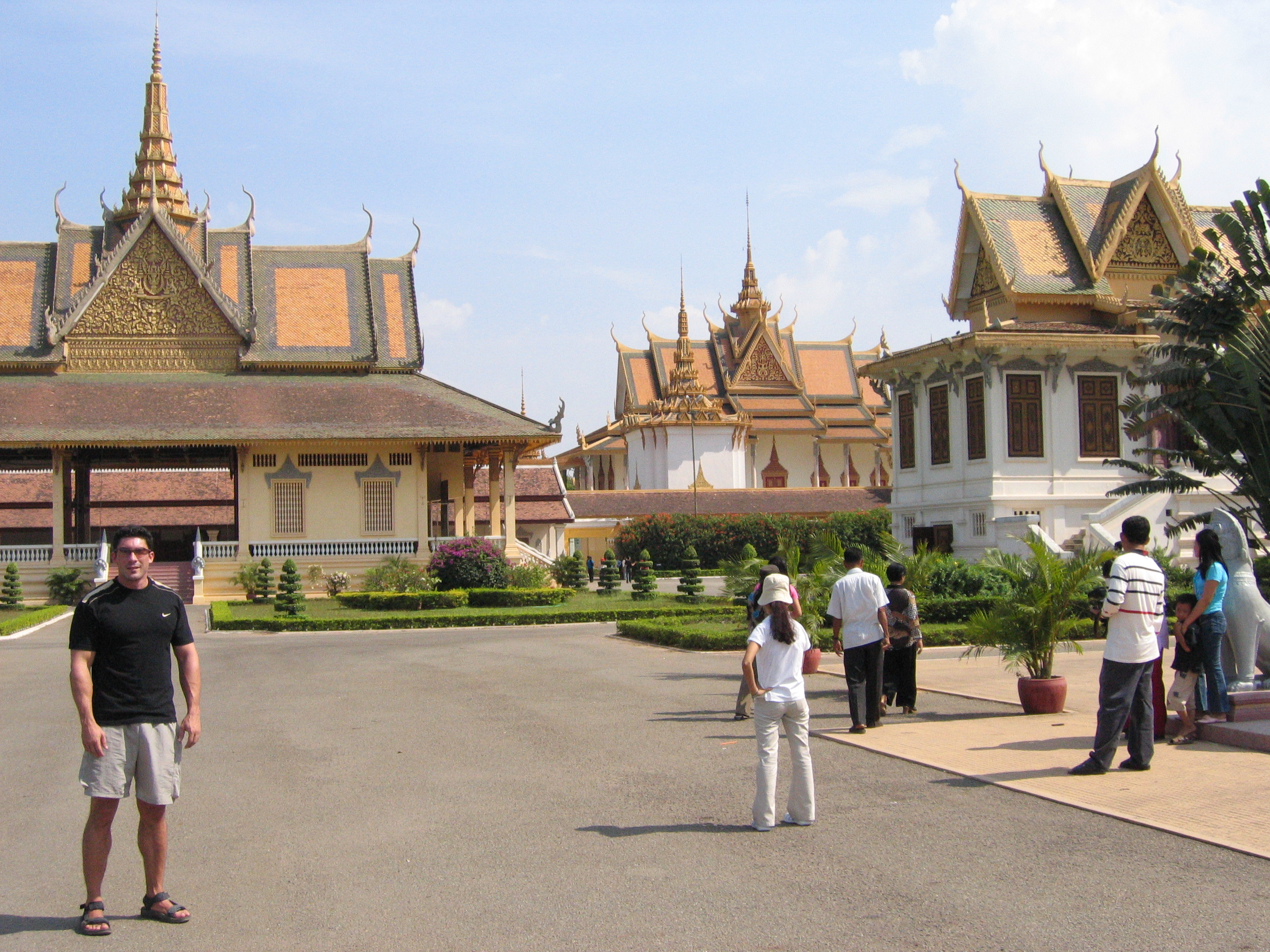

lake is a little dirty (filthy sheep are permitted to
wander the dirt roads).

Before we started, the guy running the range offered us chickens, claiming “moving target more fun.”
He was probably right, but we declined. Shooting the pistol was fun, but was nothing compared to the
AK-47. Just a little squeeze of the trigger unleashes so much destructive power, and even with the ear
protection, it was deafening. I was actually somewhat relieved when my 30 rounds were up.
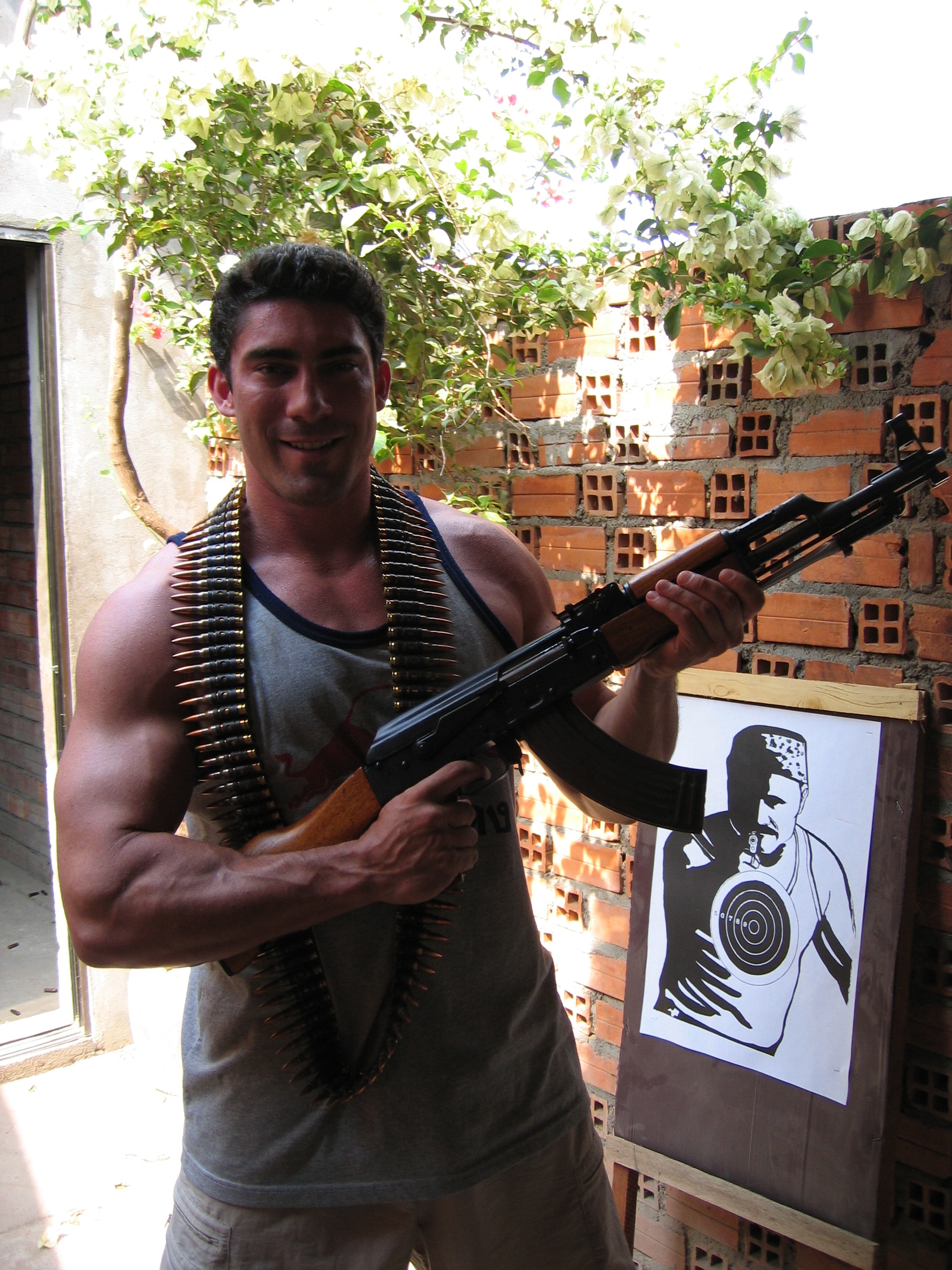

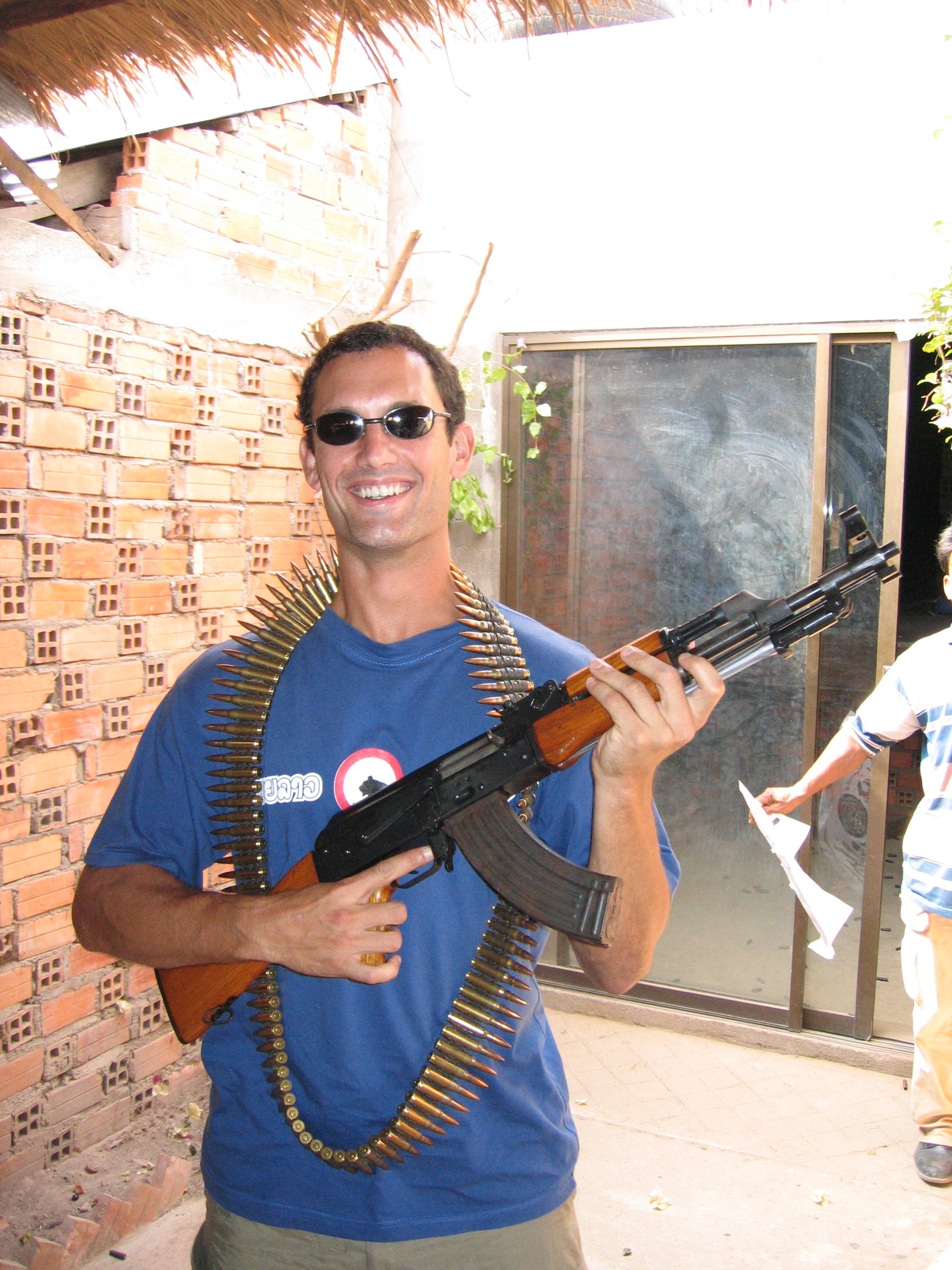
younger than I were drafted to run
around the jungle shooting these
things.
already know, Pol Pot and the Khmer Rouge ruled Cambodia from 1975 until 1978. Their aim was to turn the
country back to “Year Zero,” where people lived off the land. To this end, the entire population of Cambodia’s urban
areas was evacuated from their homes and forced to march into rural areas to work the fields (Phenom Penh was
emptied in 48 hours). Every man, woman, and child was forced into slave labor for 12-15 hours each day. The
Khmer Rouge executed anyone who was deemed “educated” (including anyone wearing glasses), and destroyed
most of the vehicles and machines in the city. An estimated two million people (21% of Cambodia's population) lost
their lives. Many of these victims were brutally tortured and executed; many more died of starvation, exhaustion, and
disease. It’s hard to comprehend the motivations behind the Cambodian genocide. How can anyone think it’s a
good idea to evacuate the cities, force everyone to work in the fields, and torture and kill anyone perceived to be
educated, anyone who may disagree with the grand plan, and a good number of people at random (just to keep
everyone else in line)? And how could someone so insane actually come to power?

regime, and S-21 was instrumental in
this. You did not want to get sent to
S-21. Prisoners were comprised of
engineers, technicians, intellectuals,
teachers, students, etc. Whole
families of the prisoners, including
newly born babies, were taken there
en masse to be exterminated.
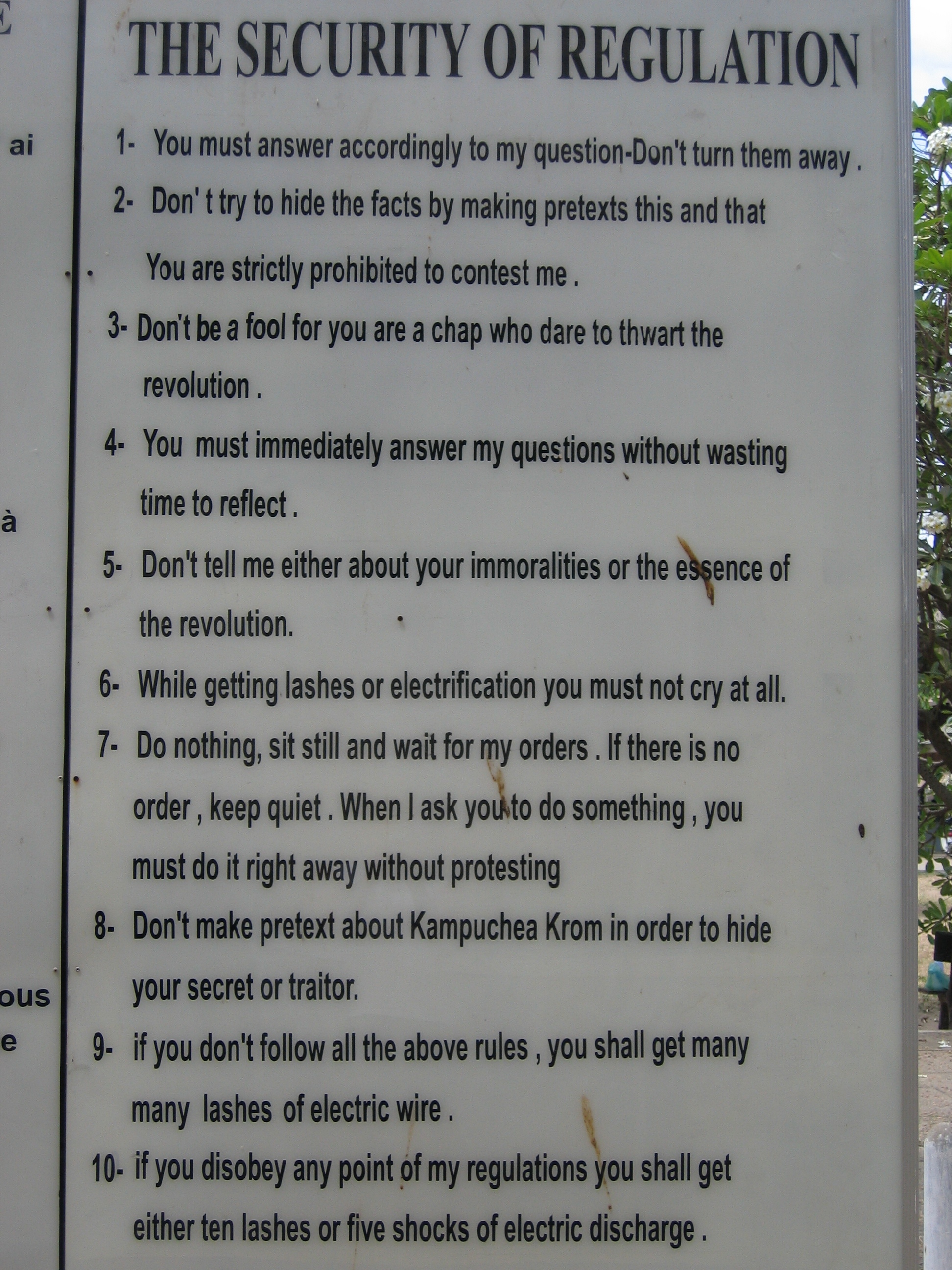
in the most horrendous living
conditions, and subjected to the
following regulations:
prisoners. But the guards were also, in a
way, victims. The Khmer Rouge selected
and trained children between the ages of 10
and 15 to work as guards. One has to think
these kids started out all right, but they
apparently grew accustomed to committing
horrendous acts of torture and murder. How
could they do this? At the outset, at least,
probably for fear that if they didn’t, they
would suffer the same fate as the prisoners.
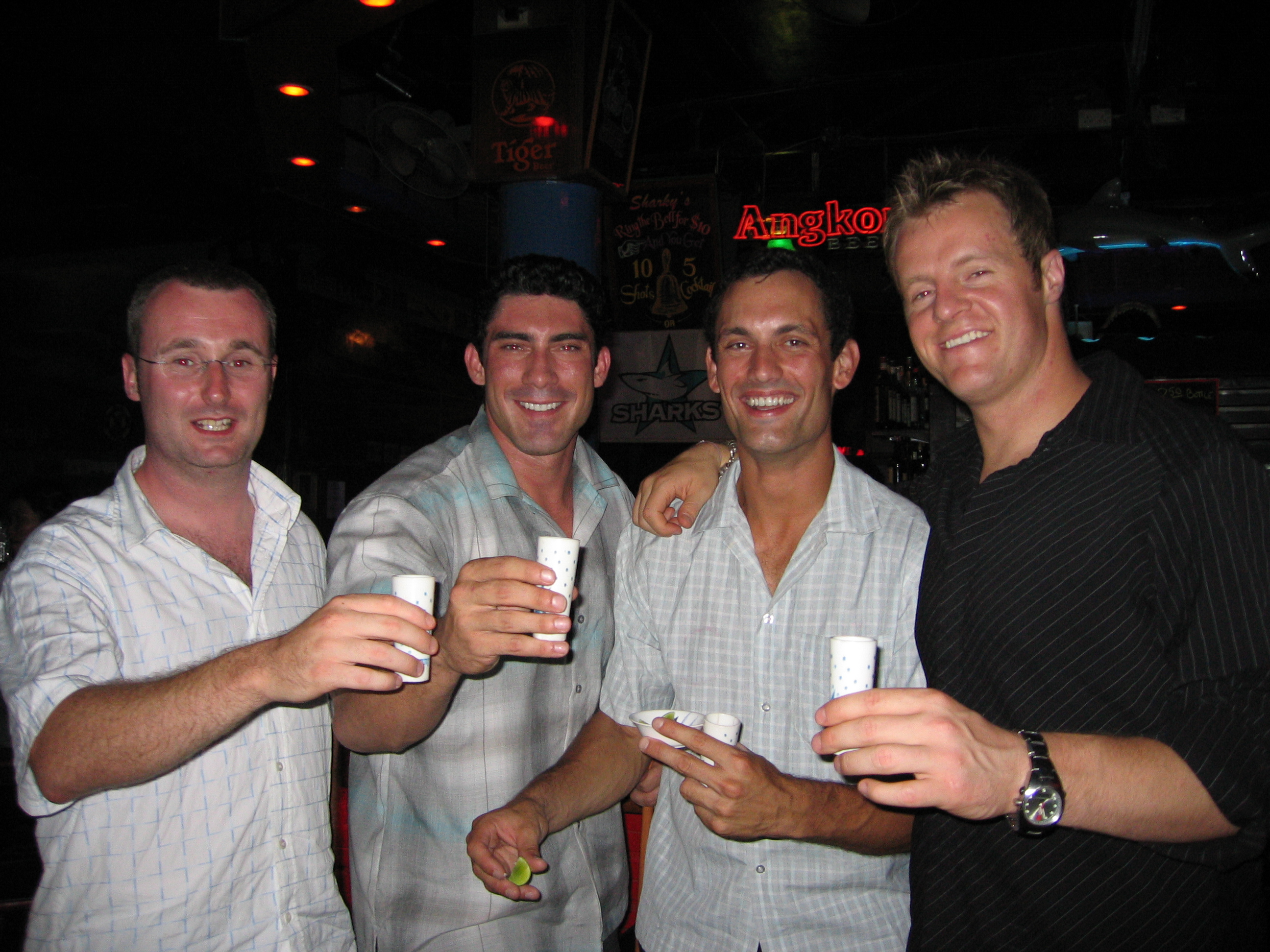
Keith’s 29th birthday in Phnom
Penh. You may recognize the guy to
my right from the Hmong Hill Tribe
trek pictures (Wayne the Brit). You
probably won’t recognize the other
guy (Trevor from Pacific Beach).


the Internet.