 |
| |
 |
| |
 |
| |
 |
| |
 |
| |
 |
| |
 |
| |
 |
| |
 |
| |
 |
| |
 |
| |
 |
| |
 |
| |
 |
| |
 |
| |
 |
| |
 |
| |
 |
| |
 |
| |
 |
| |
 |
 | |  | |  | |  | |  | |  | |  |
also home to countless touts and beggars, and some of Asia’s largest slums. But if I
had to be an expat somewhere in India, I would choose Bombay.


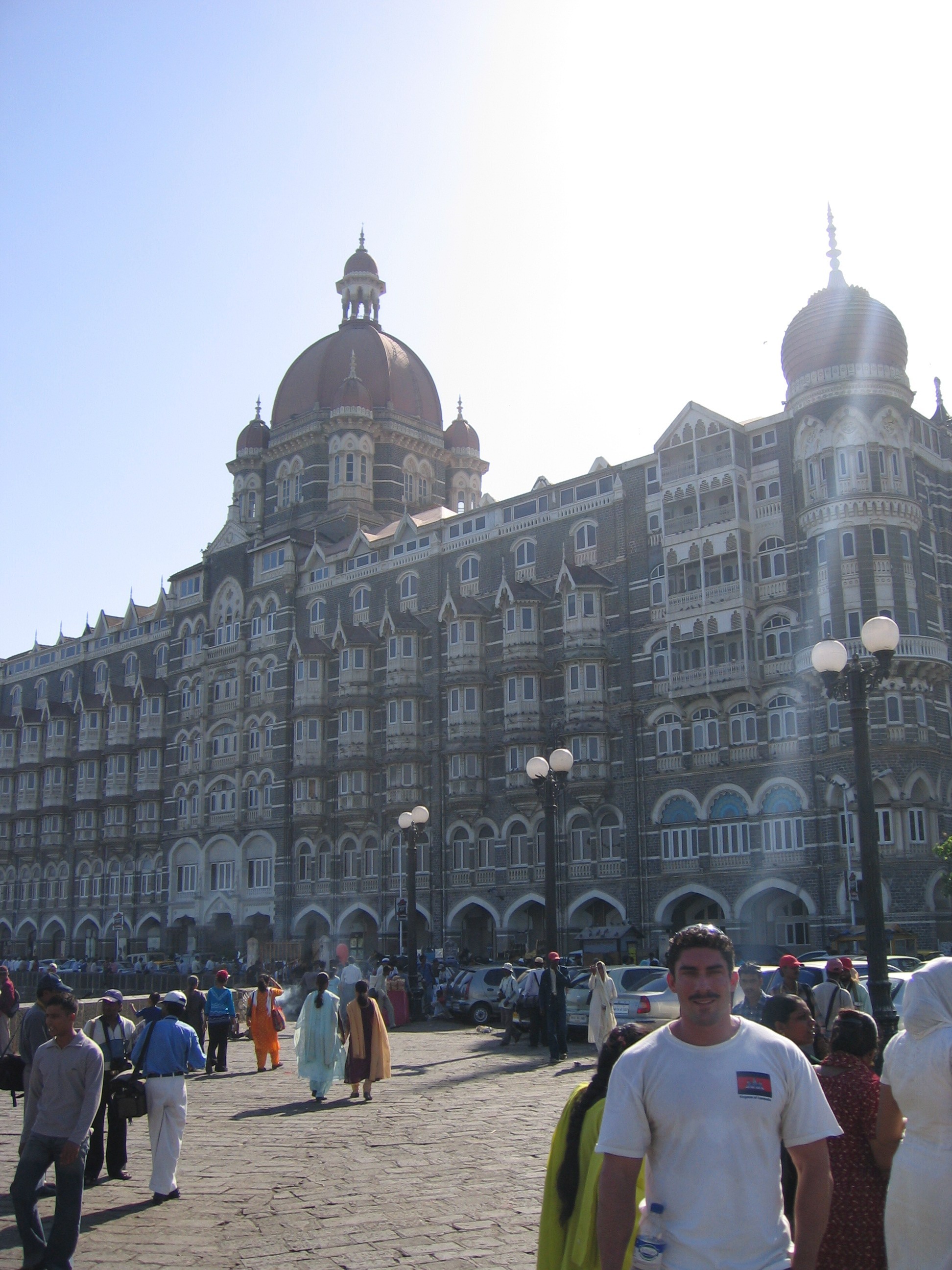
last British troops departed in 1948), the Taj Mahal Hotel, the Oval Maidan, the Prince of Wales museum, and
Horniman Circle (all pictured below). The British influence can’t be missed, and many buildings offer an interesting
combination of Victorian and Indian architectural styles.



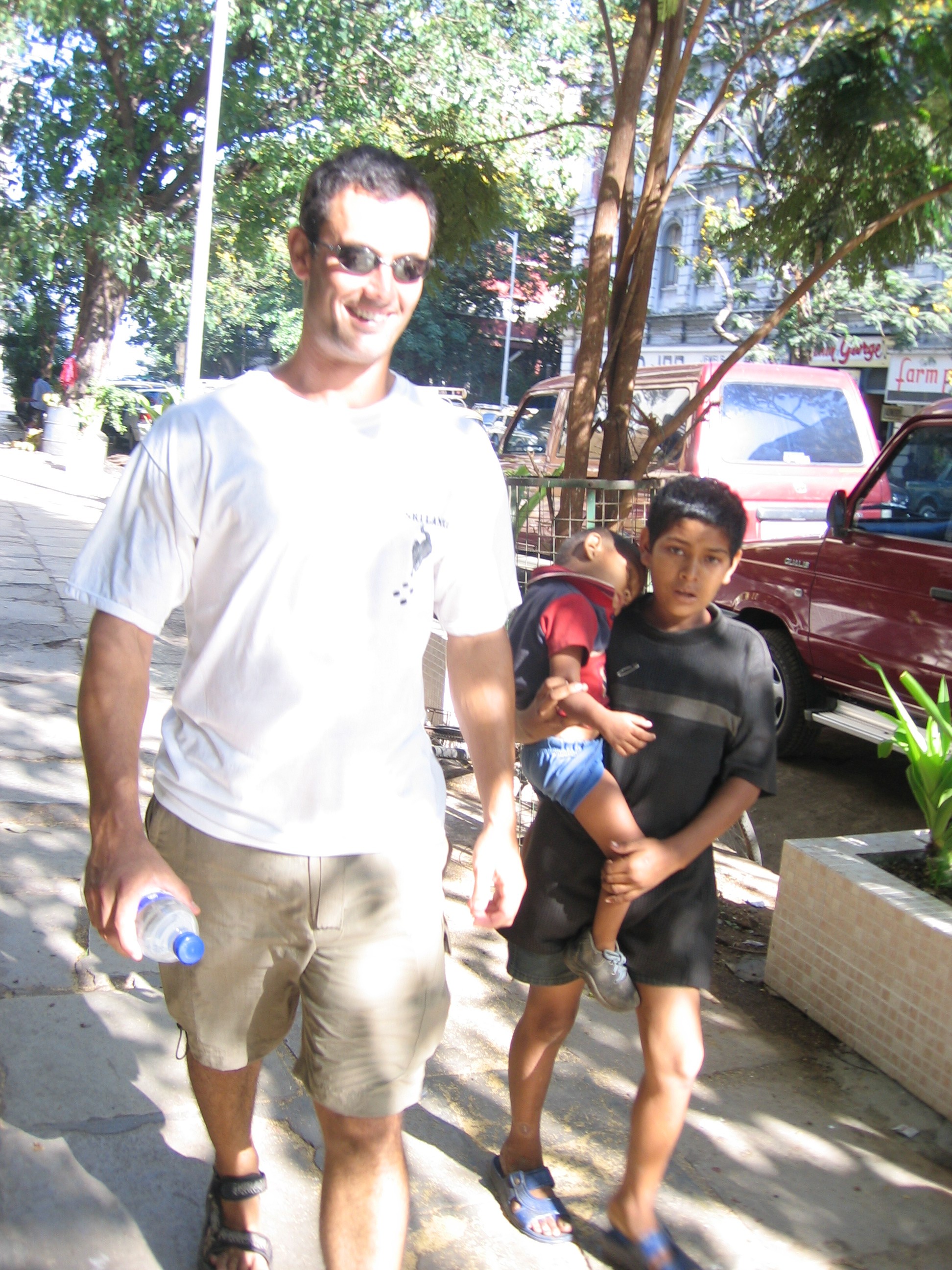
or food to a child (although you have to watch out for the “please buy me some rice” scam, as the kid makes more
than most Indians if he can get even two tourists to buy them a bag of rice ($3 a pop). But there certainly is an
excessive amount of begging here and they, like the touts, aren't good at taking no for an answer. The worst is
when they converge on your taxi at a red light, sticking their hands through the window and babbling incoherently.


extreme poverty many people suffer here. I walked
two miles south of Colaba and stumbled upon a slum
consisting of dilapidated shacks, makeshift beds on
the sidewalk, and utterly impoverished people (who,
by the way, looked at me like I was an alien but didn’t
ask me for money). I didn't take any photos there,
but photos couldn’t adequately communicate the
conditions these people endure--such as the
permeating, unbearable stench of raw sewage. At
night, we passed block after block of people
sprawled out in dirty rags on the sidewalk pavement.
They looked like emaciated corpses. I noted earlier
that many people in southeast Asia--although living
poor and simple lives by our standards--seemed
remarkably happy. Such is not the case with the
poorest people here.
between Colaba and the slum. I'm amazed at how people here
(and all over the Third World) seem able to sleep anywhere.

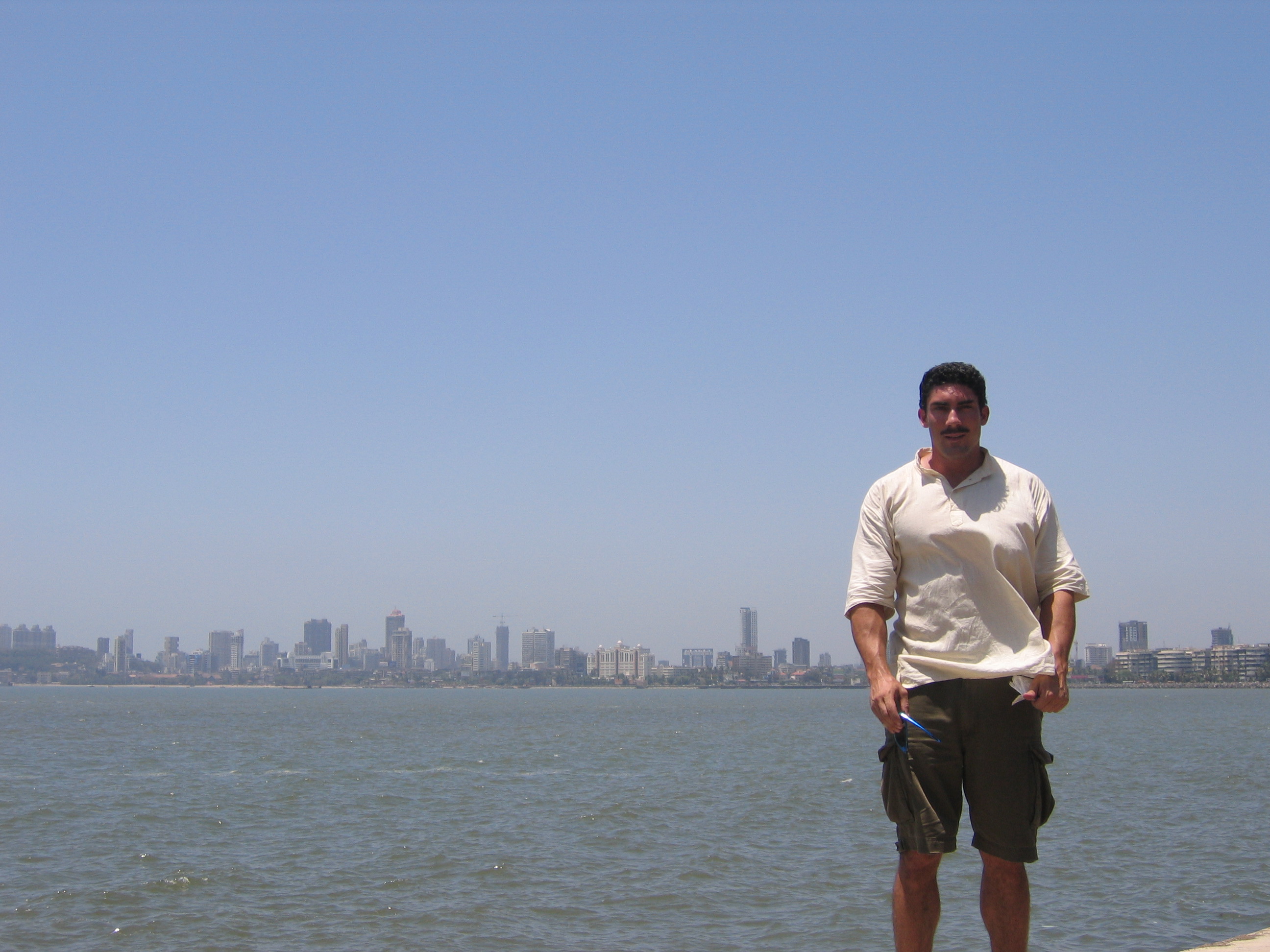
advertisement being filmed, and where we were asked to be “extras” in a Bollywood movie (we declined, having
heard that it involves spending a whole day waiting around in the hot sun).


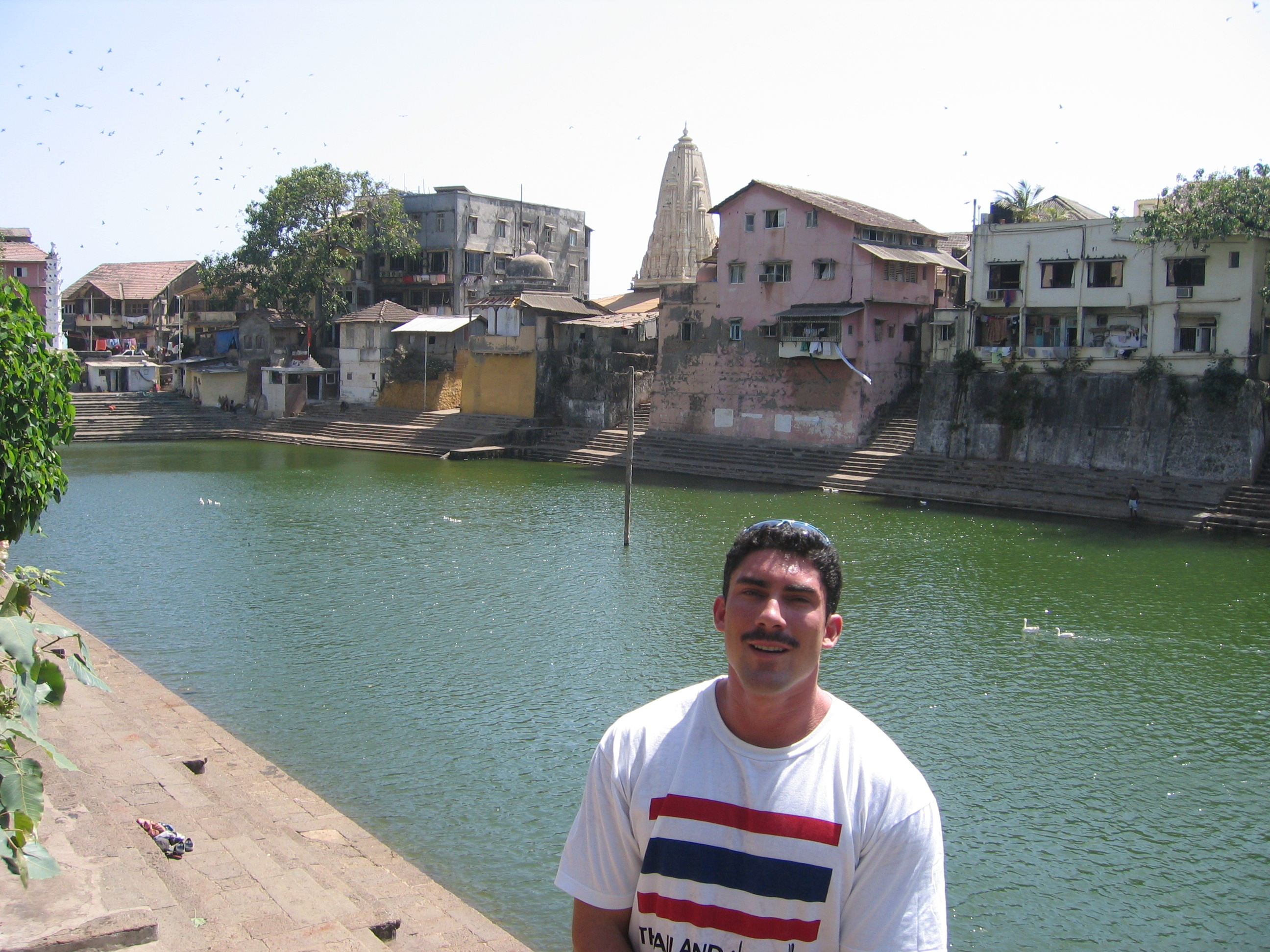

Mani Bhavan (the Gandhi museum). Then it was a 16 hour
overnight train to Jaipur.
| | | | | | | | | | | | |