 |
| |
 |
| |
 |
| |
 |
| |
 |
| |
 |
| |
 |
| |
 |
| |
 |
| |
 |
| |
 |
| |
 |
| |
 |
| |
 |
| |
 |
| |
 |
| |
 |
| |
 |
| |
 |
| |
 |
| |
 |
 | |  | |  | |  | |  | |  | |  |
Cochin. Cochin sits on a peninsula in Kerala province on India’s southwest coast,
and it feels very small, old, and quaint. The Portuguese and Dutch colonial
influences are evident here in the architecture, as well as the ubiquitous Christian
churches, basilicas, and statues of Jesus. Cochin in April is also sweltering,
muggy, and teaming with mosquitoes. Travel tip: spring comes early in India, and
April and May are actually the two hottest months. Locals laugh hysterically when
we tell them we thought it would be springtime here in April.


slowly dipping in and out of the water all day. Although they only seem to catch puny fish,
tourists love it.

Franciscan friars from Portugal and is the first church built
by Europeans in India. It is also where Vasco De Gama’s
body was buried before being removed to Lisbon.
Cochin. It involves actors/dancers putting on colorful
make-up, massive golden headdresses and bright skirts,
and then blinking, bounding, and flapping expressively to
tell their tale while others bang on drums and cymbals.


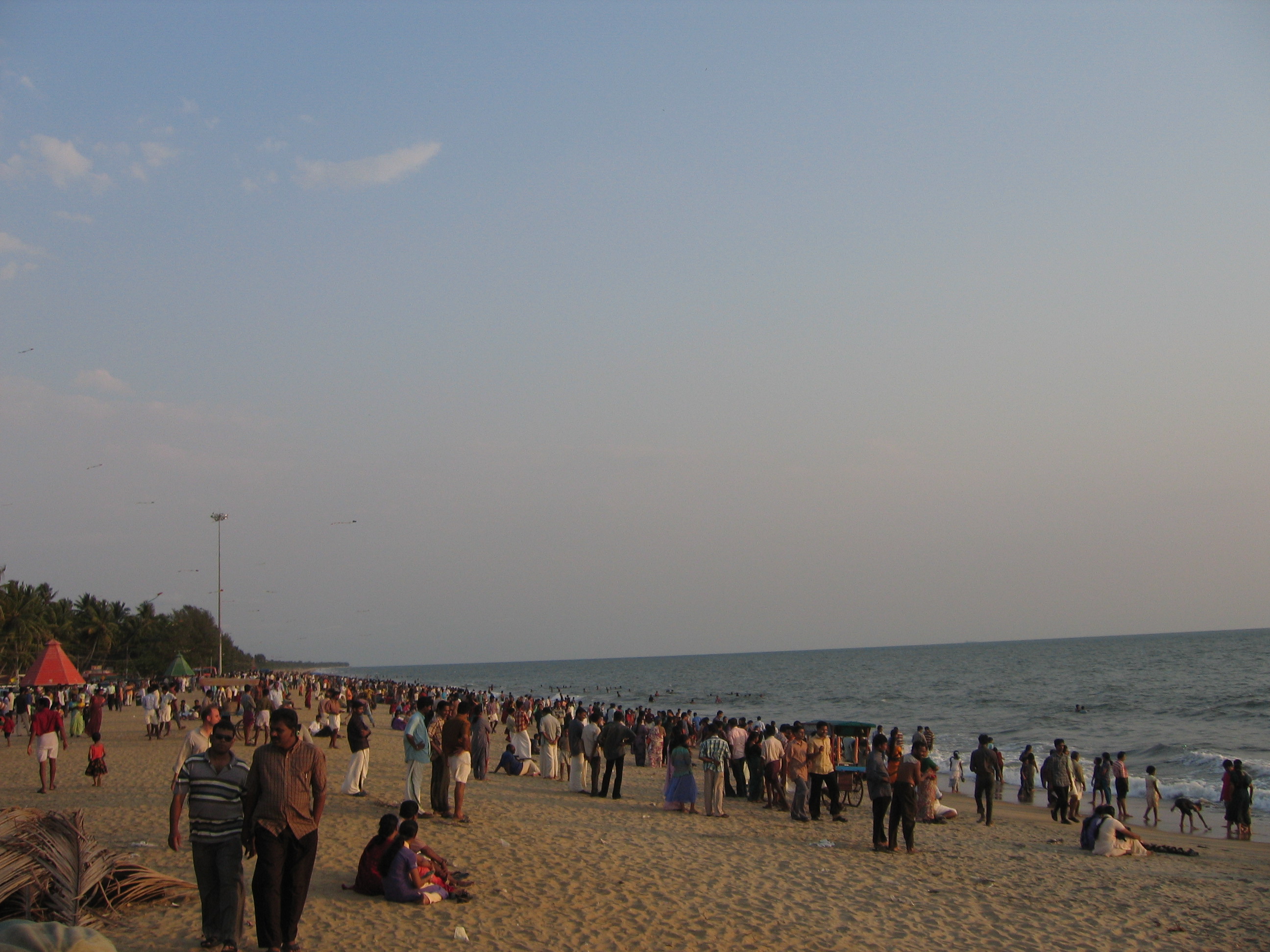
interesting beach-going habits. They wear street clothes and gather in one spot to stare at the
ocean. The braver ones wade into the water (in full street clothes, of course).


warned us that trains in India are invariably several hours late, we arrived at the train station
promptly at 11pm. The train showed up at 4am. The unbearable heat, mosquitoes, and foul
stench conspired to make the delay quite unpleasant.
| | | | | | | | | | | | |